Cart
0
You may also like
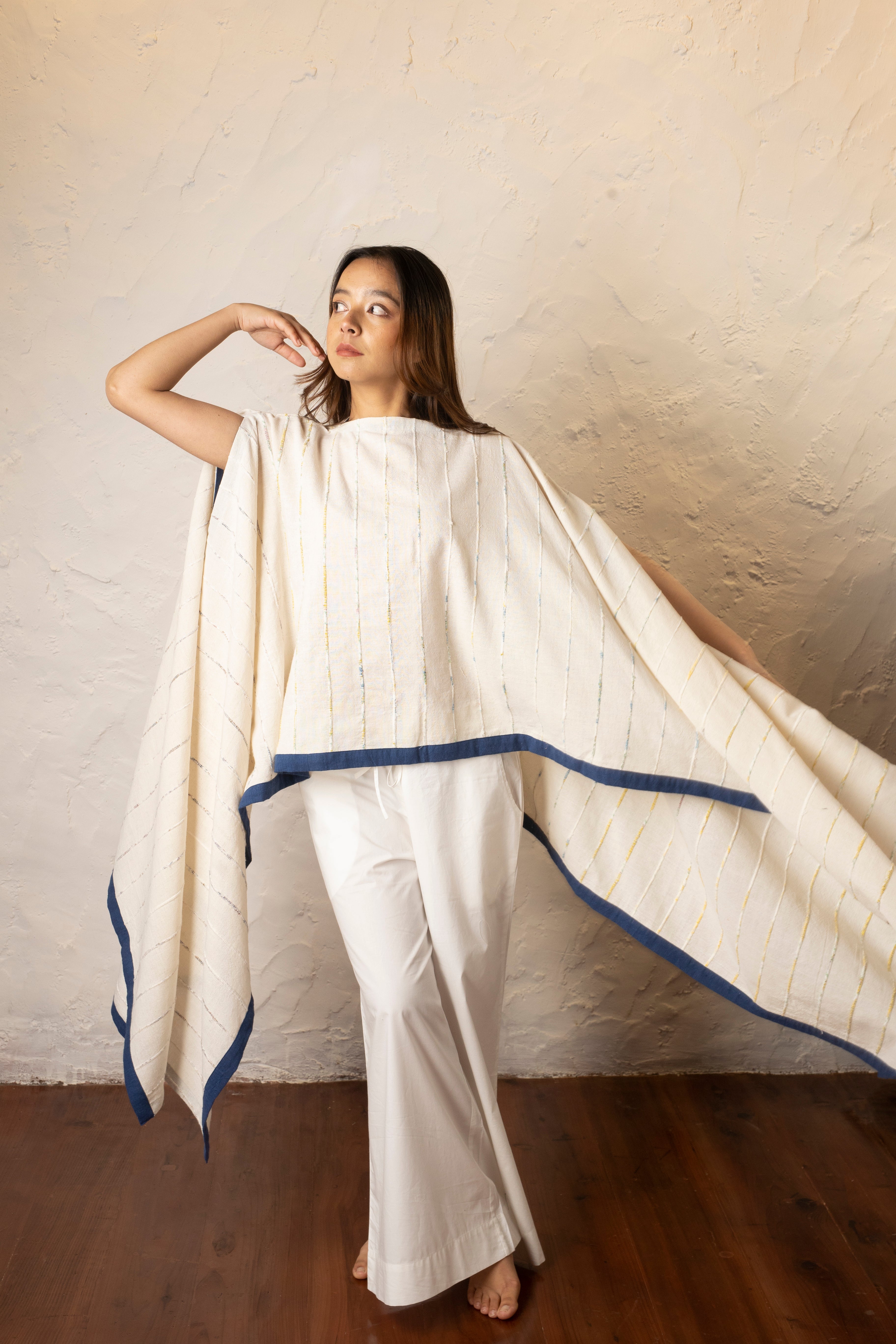

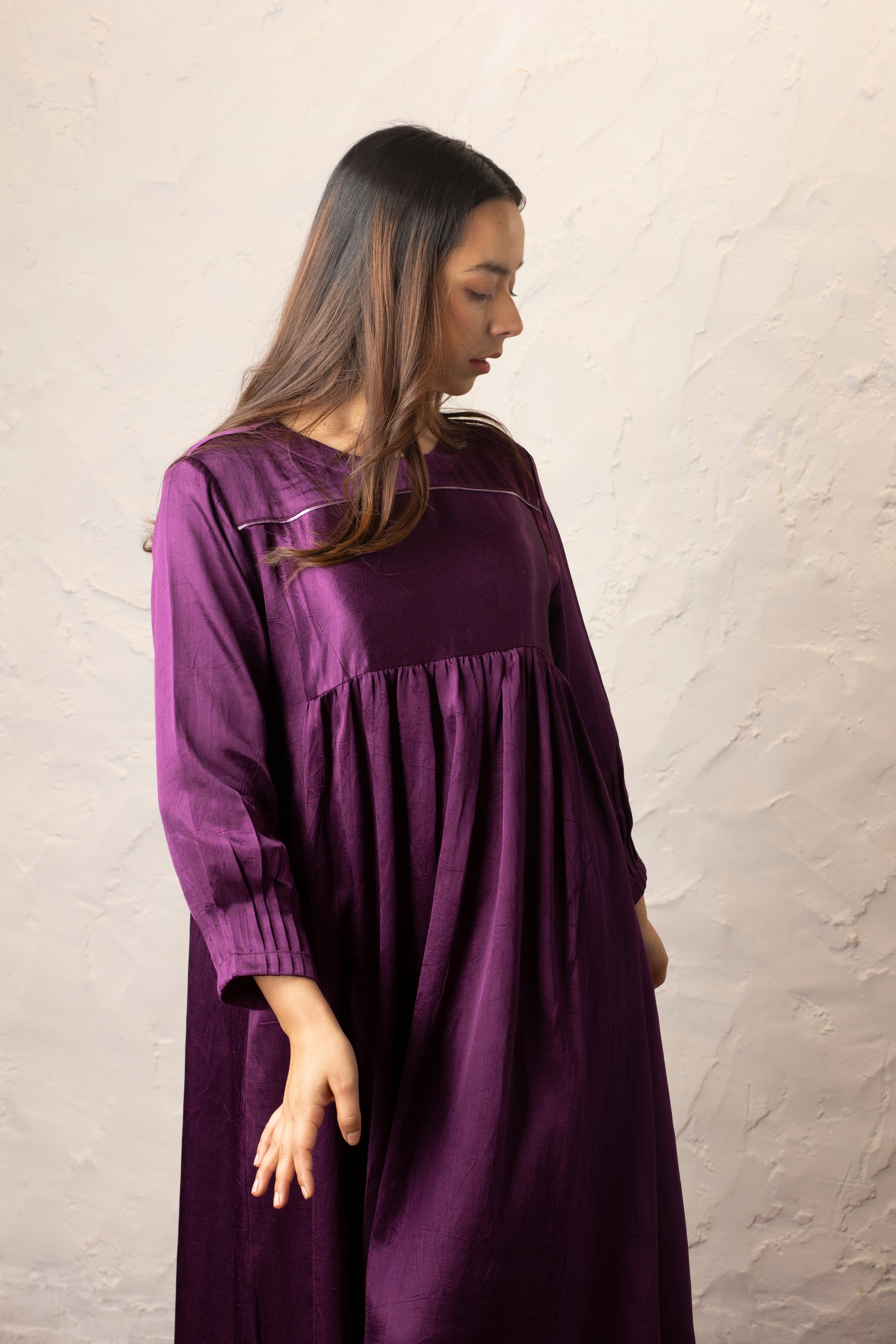


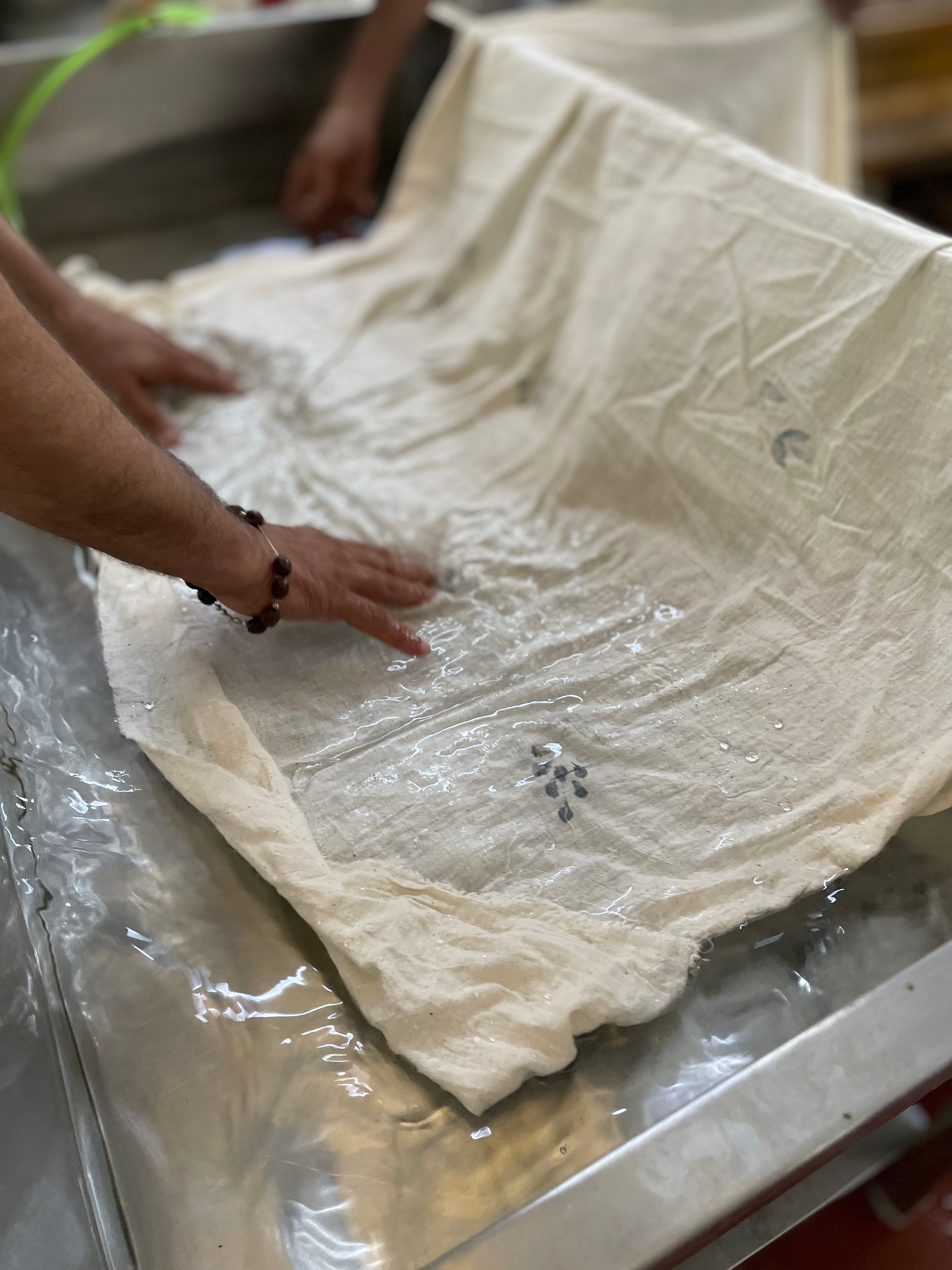
Naturally dyed clothing is not just fashion - it is living colour.
Derived from plants, roots, flowers, bark and minerals, natural dyes interact differently with fabric than synthetic dyes. They are breathable, skin-friendly and environmentally responsible. But they also require informed care.
If you own handwoven organic cotton, plant-dyed garments, botanical print dresses or artisanal clothing, this complete guide will help you preserve colour, structure and longevity.
Unlike synthetic dyes that chemically bind to fabric using stabilisers, natural dyes bond through a slower, traditional process often involving natural mordants.
This means:
Colour depth may evolve over time
Slight variations are normal
Harsh chemicals affect pigments faster
UV exposure impacts natural tones more directly
This is not fragility. It is authentic.
Hot water weakens plant-based pigments.
✔ Hand wash in cold water
✔ Or use delicate machine cycle
✔ Turn garments inside out
Cold washing preserves both colour and handwoven fibre strength.
Avoid:
✘ Bleach
✘ Optical brighteners
✘ Enzyme-heavy detergents
✘ Stain removers with peroxide
Choose:
✔ Mild liquid detergent
✔ Plant-based wash
✔ Reetha (soapnut) solution
Strong detergents strip natural dye layers.
Do not soak naturally dyed clothing for extended periods.
Quick wash. Gentle rinse. Air dry.
Yes - but differently.
Natural dyes do not fade in harsh, patchy ways. Instead, they develop a soft patina.
With proper care:
Fading is gradual
Tones deepen subtly
Fabric softens beautifully
Excessive sun exposure and strong detergents accelerate fading.
✔ Always dry in shade
✔ Avoid direct sunlight
✔ Do not tumble dry
✔ Lay flat for delicate silks
UV rays are the biggest enemy of plant-based pigments.
Blot immediately.
Use:
✔ Cold water rinse
✔ Mild soap
✔ Baking soda paste (spot test first)
Never scrub aggressively.
|
Natural Dye |
Synthetic Dye |
|
Plant-based |
Chemical-based |
|
Evolves over time |
Remains uniform |
|
Sensitive to harsh detergents |
More resistant |
|
Environmentally safer |
High chemical load |
Natural dye requires awareness, not difficulty.
Less washing = longer life.
✔ Air garments after wear
✔ Spot clean when possible
✔ Wash only when needed
Overwashing reduces fibre integrity.
Using hot water
Drying in direct sun
Over-soaking
Using bleach-based detergents
Tumble drying
Avoid these and your garments will last years.
With proper care:
Handwoven cotton: 5 to 10+ years easily
Silks: Decades if stored well
Botanical prints: Age gracefully
Longevity depends on care frequency, not dye weakness.
No toxic chemical residue
Lower water pollution
Biodegradable pigments
Supports artisan clusters
Reduced microplastic shedding
This is slow fashion in practice.
Caring for naturally dyed clothing is simple:
Cold wash.
Mild detergent.
Shade dry.
Minimal washing.
Intentional care preserves intentional craft.


