Cart
0
You may also like
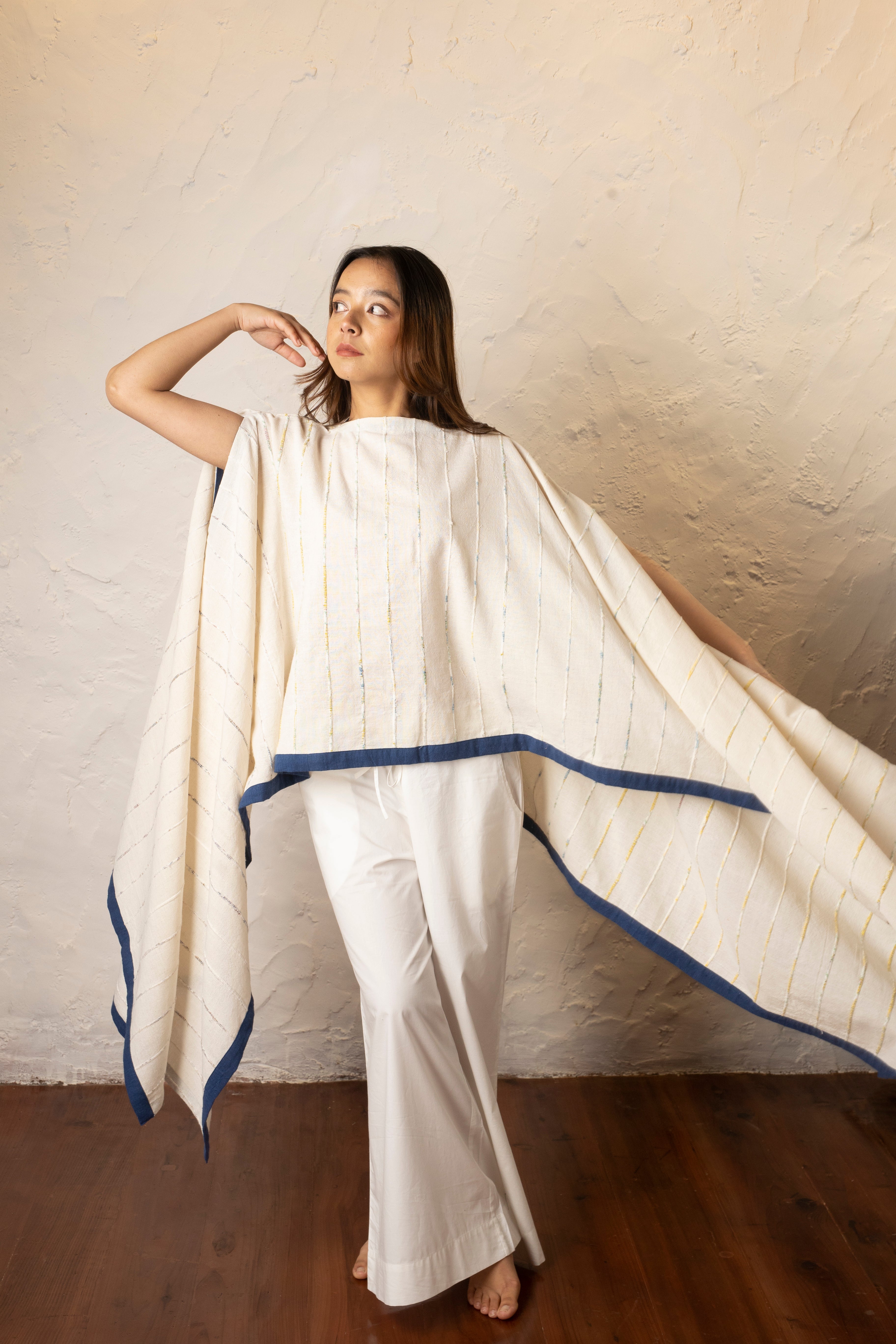

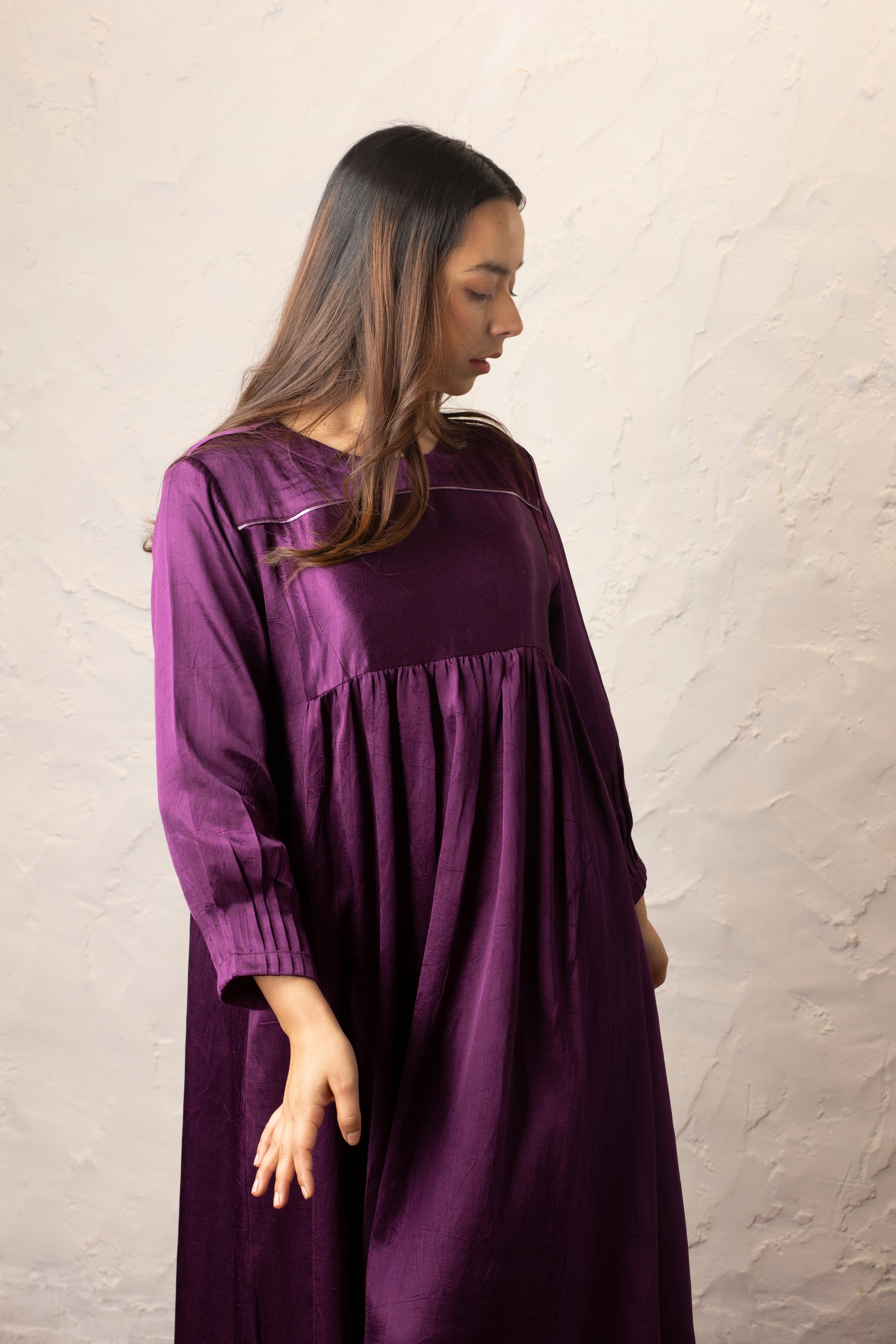


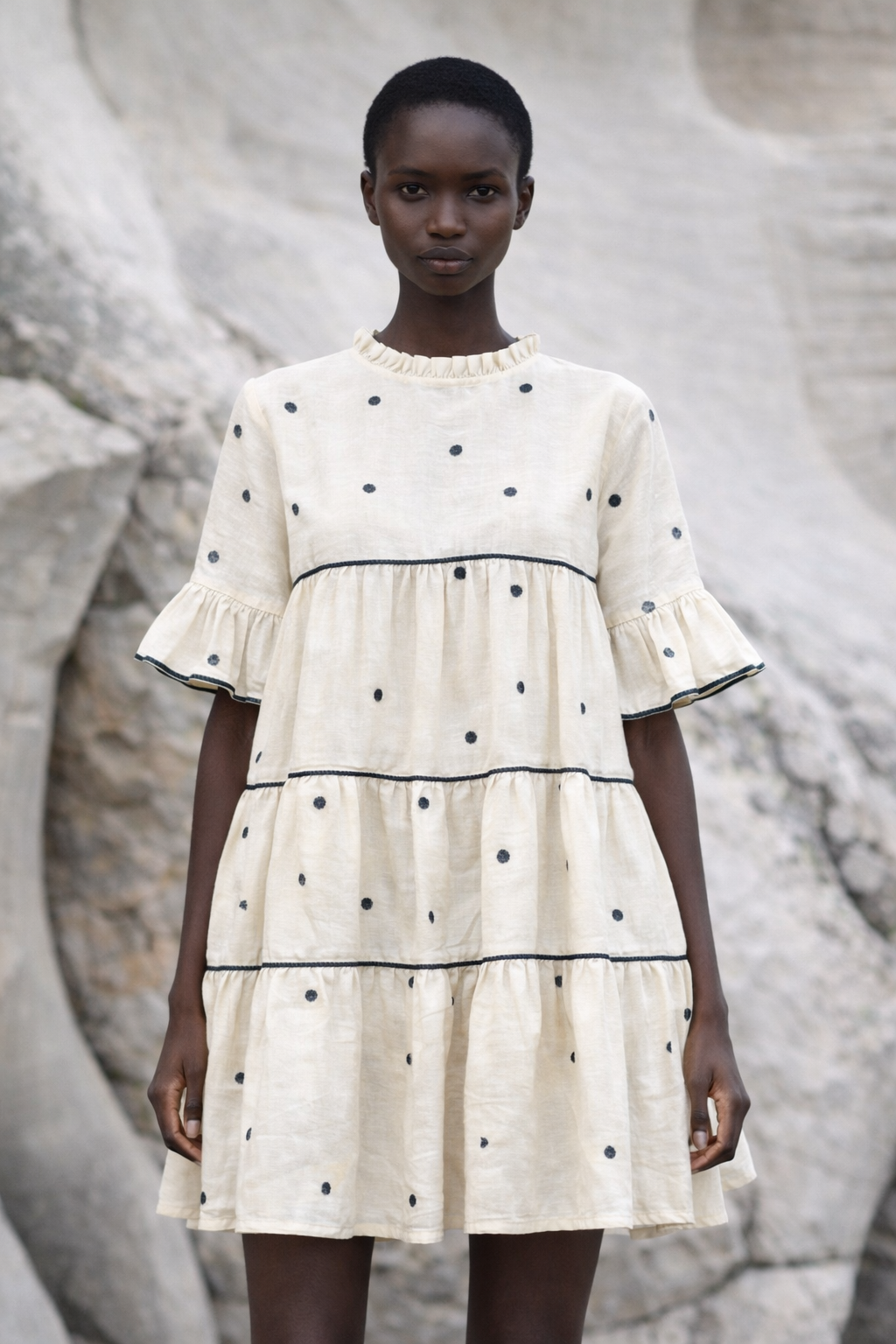
The Mughals called it woven air.
Fabric so fine it was reserved for emperors. So delicate, legends say a full sari could pass through a finger ring. So valuable, the British banned its production in the 18th century; not because it was harmful, but because it was competition. Their mills couldn't replicte it. So they tried to erase it instead. They failed.
What you're holding today is the continuation of a craft that survived colonisation, industrialisation, and two centuries of being told it wasn't efficient enough. It is still here. Still made by hand. Still counted thread by thread on a pit loom in Bengal.
That is not nostalgia. That is resilience.
What Jamdani Actually Is
Most fabric carries its design on the surface - printed, stamped, or embroidered after weaving. Jamdani is different. Its motifs are woven into the structure of the fabric itself, using a technique called discontinuous weft weaving. Every dot, every flower, every geometric form is inserted manually - thread by thread - while the cloth is being made.
This means two things.
First: the design cannot fade, crack, or peel. It is not applied. It is inherent.
Second: no two pieces are identical. The slight variations you notice - a dot placed marginally differently, a motif that sits at a fractionally different angle - are not imperfections. They are the fingerprints of the person who made it.
UNESCO recognised Jamdani as an Intangible Cultural Heritage of Humanity in 2013. Not for what it was. For what it continues to be.
Why It Takes the Time It Takes
A single metre of authentic Jamdani can take days. Sometimes weeks.
The weaver counts threads visually. Places each motif by hand. Maintains tension manually across the entire width of the loom. Repeats this for hours, daily, in light that is rarely ideal and at a pace that cannot be rushed without destroying the work entirely.
There is no automation that can do this. Every machine attempt produces something that looks like Jamdani from a distance and feels like nothing in particular up close.
The time is not inefficiency. The time is the craft.
What You're Actually Wearing
When you wear a MOBORR Jamdani piece, you are wearing the result of a skill that takes five to seven years to learn and a lifetime to master. You are wearing a fabric that was nearly erased from history. You are wearing something that cannot be replicated at scale - not because we won't allow it, but because the nature of the craft makes it impossible.
We work directly with artisan clusters in Bengal. The weavers we collaborate with have been doing this for decades. Their knowledge is not documented in any manual. It lives in their hands.
Every MOBORR Jamdani piece is:
Softest mul cotton - breathable too
Kind to skin
Woven on a manual loom - no electricity, no emissions
Small batch - never mass produced
Designed for longevity - not for a season
On the Question of Price
Jamdani is not expensive. It is correctly priced.
What you are paying for is days of skilled labour, a heritage technique that supports living artisan communities, organic materials grown without pesticides, and a piece of clothing that will not fall apart, fade out, or feel less than it does today in five years' time.
Fast fashion is not cheap. It transfers its true cost onto the earth and onto the people who make it. Jamdani carries its cost honestly - in the price, in the time, in the hands that made it.
How to Wear It
Simply. Jamdani does not need assistance.
Wear it with handcrafted jewellery or nothing at all. In the morning with coffee, in the evening without explanation.
It works because it was designed - over centuries - to work. The silhouette does not need to be styled. The fabric does the speaking.
Why MOBORR and Jamdani
We did not choose Jamdani because it is trending. We chose it because it represents everything we believe clothing should be - made slowly, made well, made with full knowledge of who made it and how.
It is not seasonal fashion. It is textile permanence.
And at MOBORR, we believe some things are worth waiting for.
Explore the MOBORR Jamdani edit - handwoven, limited, and designed to last a lifetime.


