Cart
0
You may also like
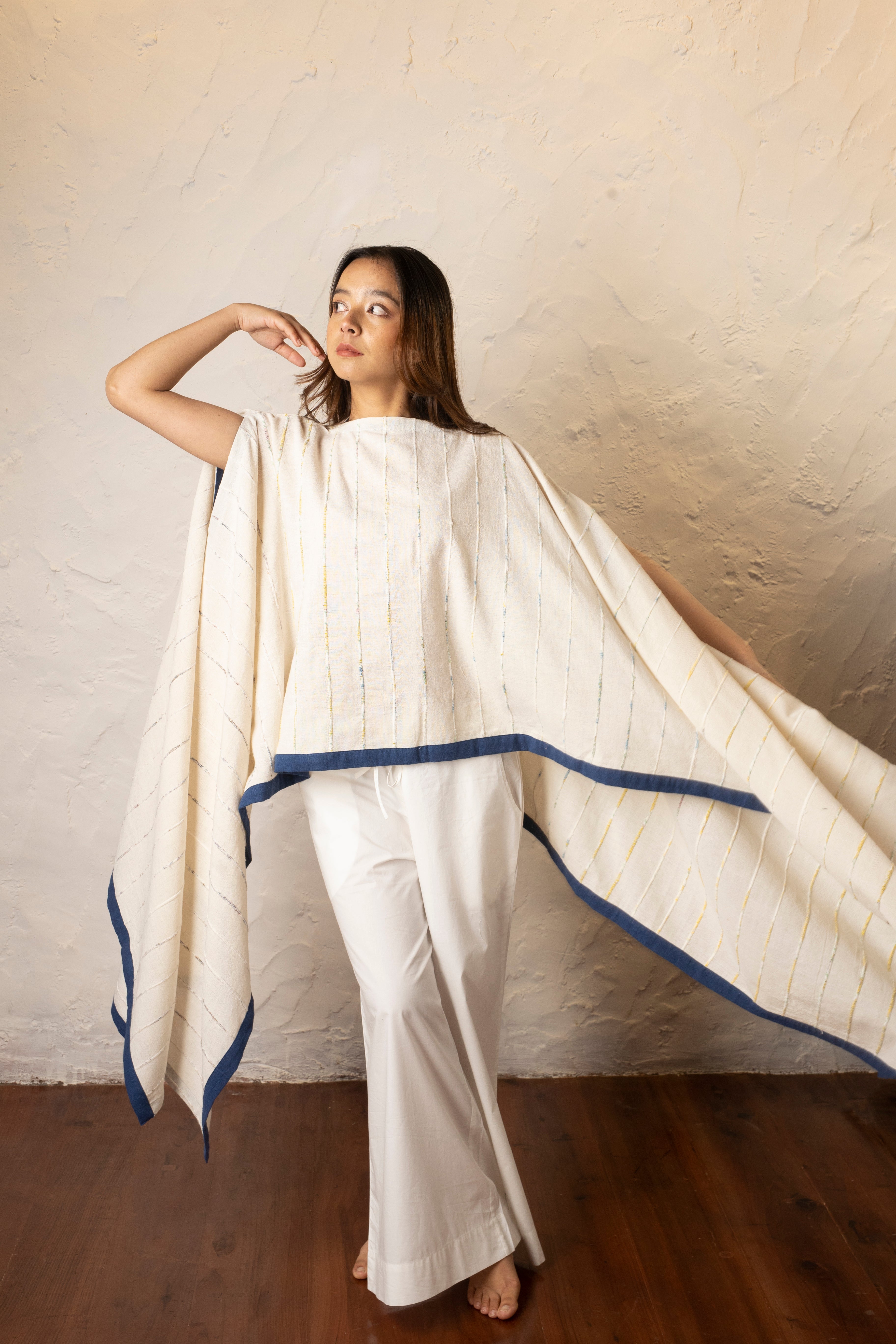
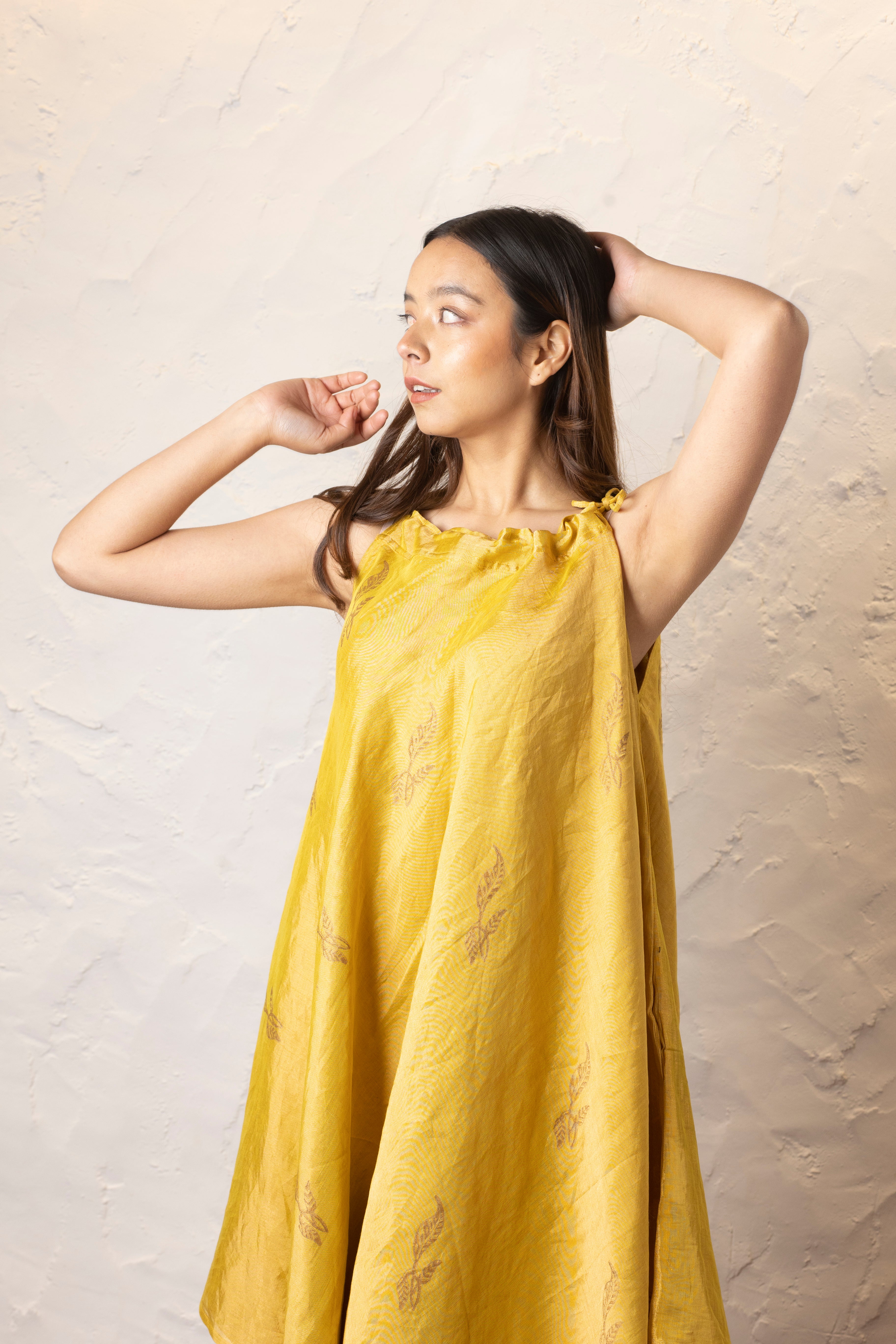
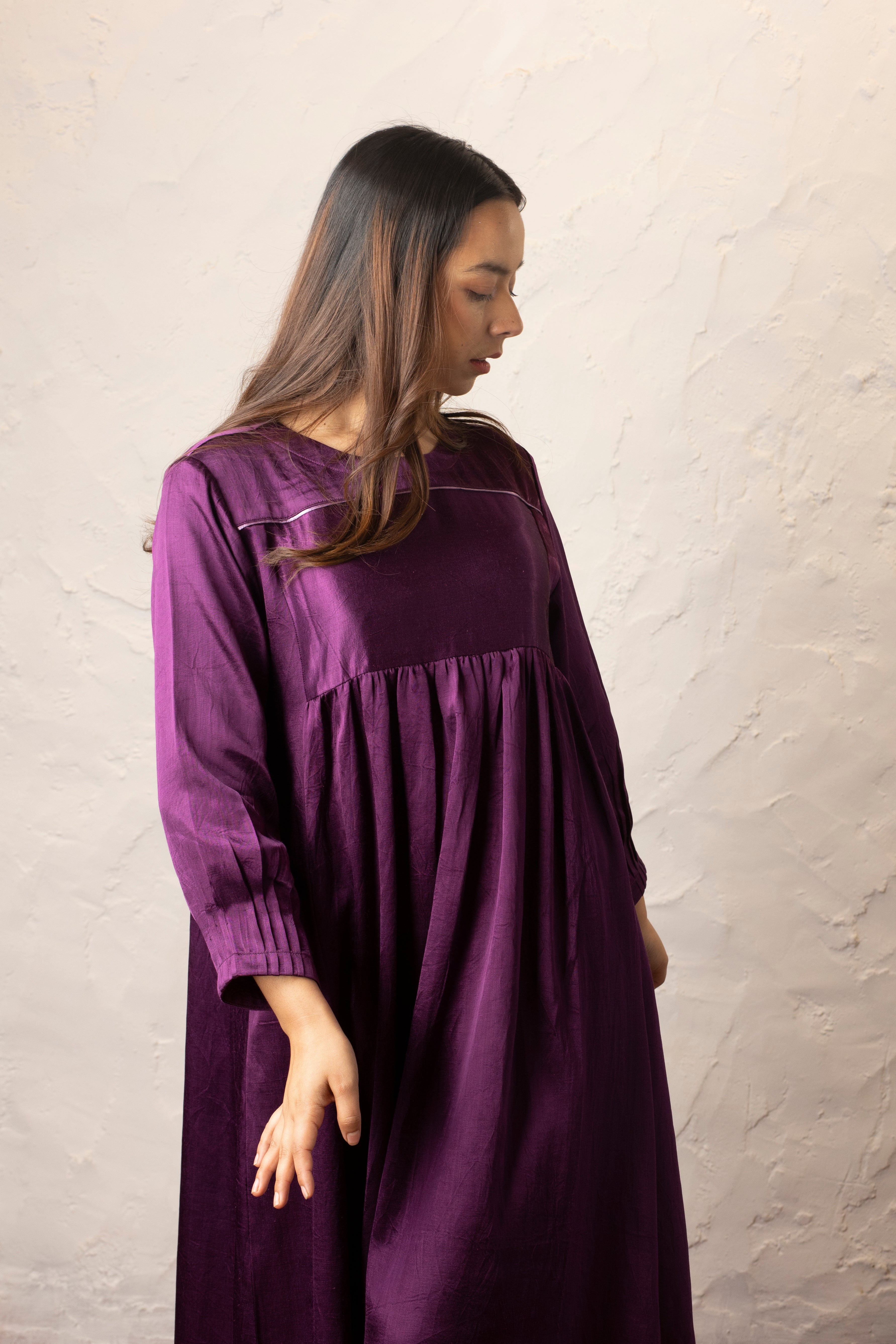


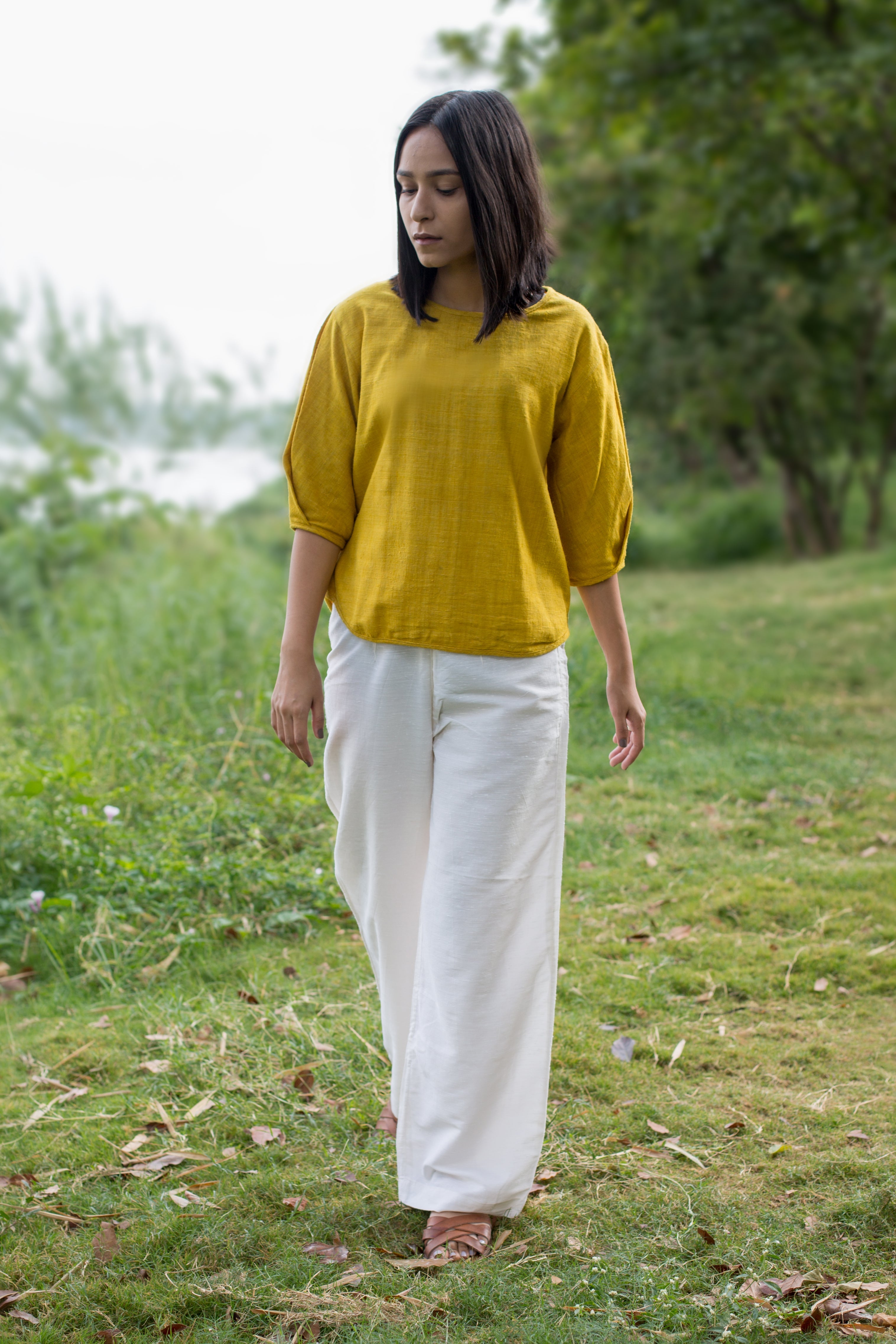
Some silk is taken. This one is given.
Most silk begins with an ending. The cocoon is boiled while the moth is still inside, so the thread can be unwound in one long, unbroken strand.
Eri silk begins differently. The moth is left to finish its work. It breaks through the cocoon, flies off into the evening, and only then is the empty shell gathered. Because the thread has been broken, it can't be reeled. It has to be spun by hand, slowly, the way you might spin wool.
That is why it is called Ahimsa silk, or peace silk. Nothing is harmed to make it.
Eri has been part of life in Assam for generations. Families raise the silkworms at home, on the leaves of the castor plant, and the women spin and weave the thread through the year. For our Eri pieces, we work with Rabha women weavers, who weave by hand and dye with plants.
Every length carries small irregularities: a thicker thread here, a softer patch there. They are the marks of a hand, not a machine, and they are what make each piece your own.
Eri doesn't have the high shine of mulberry silk. It has a quiet, matte glow, closer to the light on a still lake than to satin. It is warm in winter and breathable in summer, and it grows softer and warmer every time you wear it.
People are often surprised by how much it feels like a fine wool. That is a good way to think of it, including how you care for it.
Treated this way, Eri lasts for years and only gets better with time.
Our Warche Blouse is cut from this handspun peace silk, woven by hand and dyed with plants. You can find more Eri pieces in our Eri silk collection.
Walk lightly. Stay deeply.


